Blog
Gen Xers Face Retirement Saving Gap Without A Plan

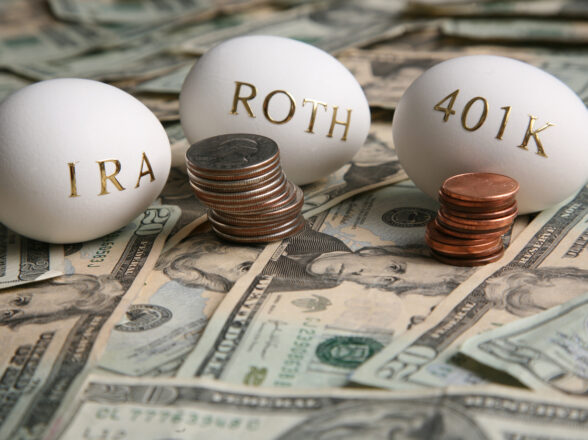
Generation X, born roughly between 1965 and 1980 and now aged 45 to 60, stands at the precipice of retirement with mounting anxiety. As the first cohort to rely heavily on 401(k) plans rather than traditional pensions, many find themselves navigating retirement savings largely unaided. A recent Schroders 2025 U.S. Retirement Survey highlights this predicament: Gen Xers face the largest projected savings shortfall among generations, compounded by a striking lack of formal planning.
The numbers are stark. On average, Gen X respondents believe they need about $1.12 million for a comfortable retirement, yet they expect to accumulate only around $712,000—a gap exceeding $405,000. This shortfall surpasses those anticipated by Millennials and Baby Boomers. Only 16% of Gen Xers feel they have saved enough, reflecting deep-seated concerns about financial security in later years. Over 60% lack confidence in achieving their dream retirement, and more than half worry about outliving their assets.
Compounding the issue is a widespread absence of planning. More than half of Gen Xers report having done no retirement planning whatsoever, a higher rate than among younger or older generations. Just 26% work with a financial advisor, compared to higher proportions in other cohorts. This “flying blind” approach leaves many without clear strategies for estimating expenses, generating income, or managing investments in retirement.
Historical shifts explain much of this vulnerability. Gen X entered the workforce as companies phased out defined-benefit pensions in favor of defined-contribution plans like 401(k)s. Early versions lacked modern conveniences such as automatic enrollment, escalation of contributions, or diversified default investments. Multiple economic crises—the dot-com bust, Great Recession, and pandemic downturns—further eroded savings potential during prime earning years.
Financial pressures unique to this “sandwich generation” exacerbate the problem. Many juggle supporting aging parents and children, often alongside student debt or high living costs. Nearly one-quarter of Gen X participants in workplace plans have borrowed from their accounts, primarily for emergencies, debt repayment, or daily expenses—diverting funds meant for long-term growth.
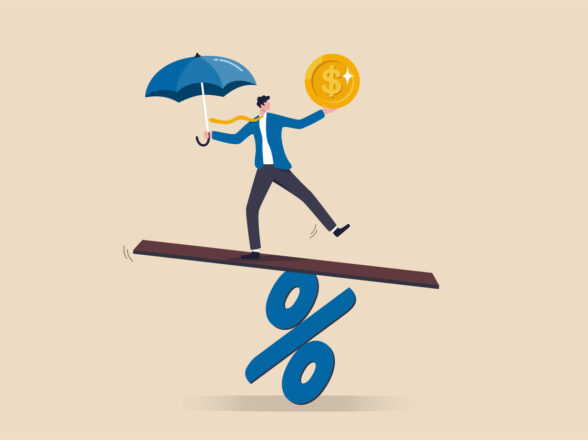
Conservative investing habits also hinder progress. Fear of market volatility leads some to hold excessive cash allocations, limiting growth needed to combat inflation over decades. Distrust in Social Security adds urgency, with many planning early claims despite reduced benefits.
Yet, hope remains. The oldest Gen Xers are still about a decade from full retirement age, offering time to adjust. Experts emphasize actionable steps: maximizing contributions (including catch-ups for those over 50), seeking professional advice, reallocating assets for balanced growth, and refining expense projections. Employers could enhance plans with better education and features to bridge knowledge gaps.
Gen X’s retirement outlook underscores the risks of self-directed saving without guidance. The Schroders findings serve as a wake-up call: without deliberate planning, this generation risks diminished security. By prioritizing strategies now—consulting advisors, boosting savings, and embracing informed investing—many can narrow the gap and secure a more stable future. Proactive measures today could transform potential shortfall into sustainable retirement.